The Rooftops (1961)
a film about people you never see
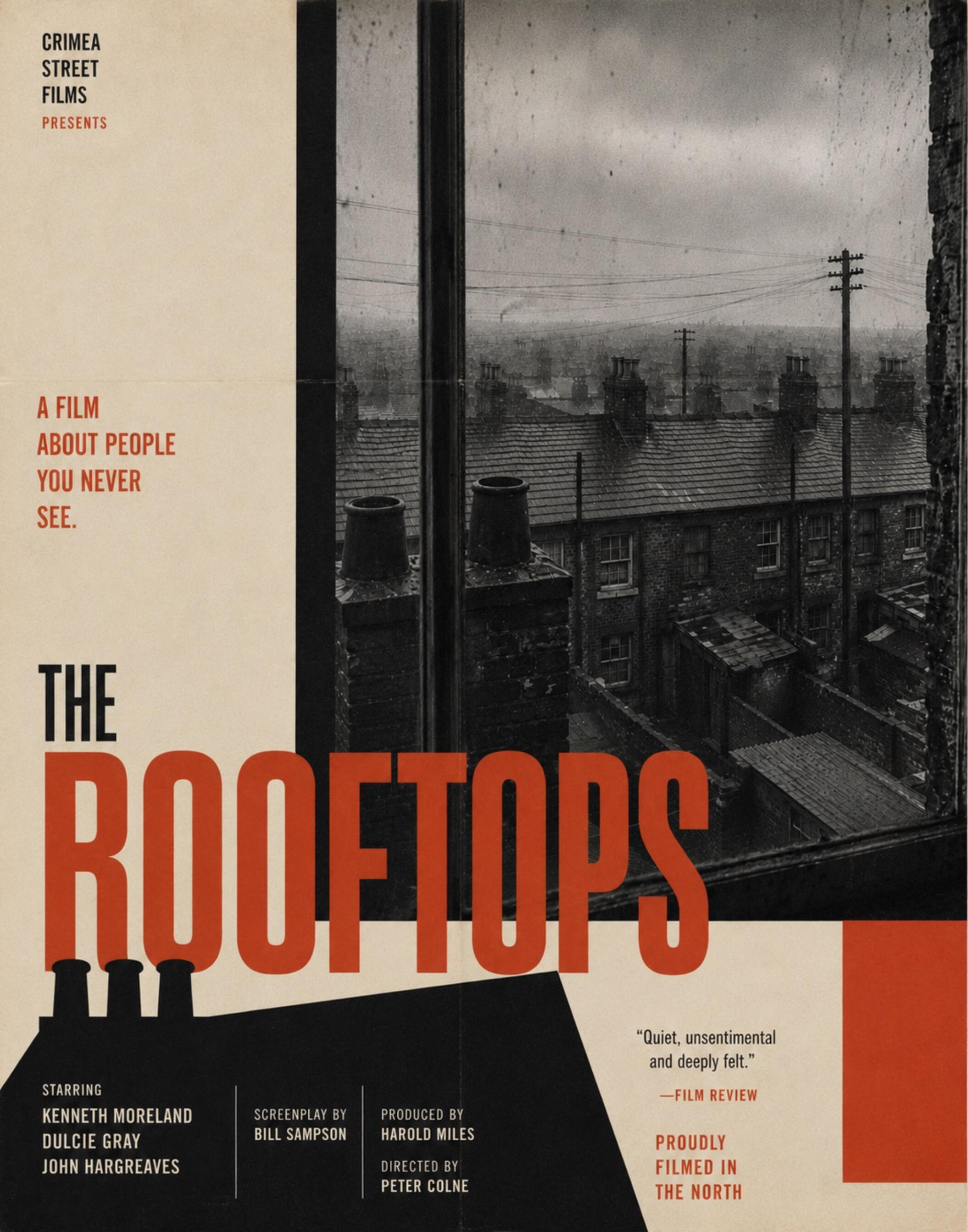
Released in 1961, The Rooftops was one of the studio's broadest portrayals of everyday northern life. Rather than concentrating on a single household, the film follows a number of neighbouring families whose lives quietly intersect beneath the familiar skyline of chimney pots and slate roofs.Factory workers leave before dawn, children return from school, neighbours exchange conversations across backyard walls and evenings are spent much as the last. Small disagreements, unexpected visitors and everyday routines provide the film's gentle momentum as ordinary lives unfold without drama or sentiment.Patiently observed and characteristically understated, The Rooftops reflects the familiar rhythms of a close-knit working-class community where little changes from one week to the next. Like much of Crimea Street Films' output, it found only modest success on its original release but remains a quietly authentic portrait of ordinary life during the early 1960s.
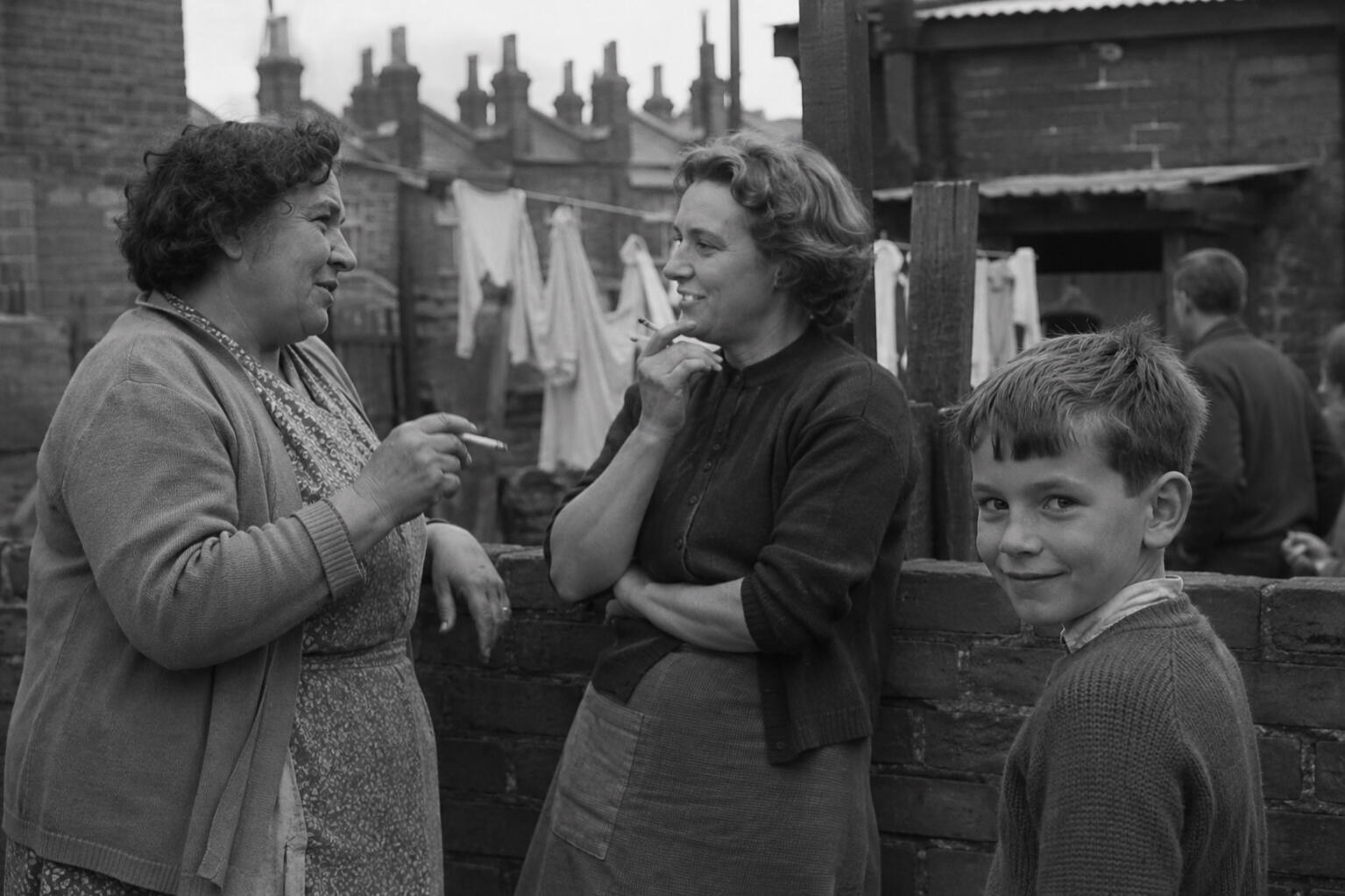
Filming of The Rooftops took place over five weeks during the summer of 1961, with much of the production shot in occupied terraced streets rather than controlled studio sets.Residents quickly became accustomed to cameras, cables and repeated takes, often continuing with their daily routines while the crew worked around them.Alistair Dunmore believed this helped preserve the natural atmosphere he wanted for the film, even if it occasionally meant waiting for milk deliveries, washing lines to be moved or curious neighbours to wander out of shot before a scene could begin.
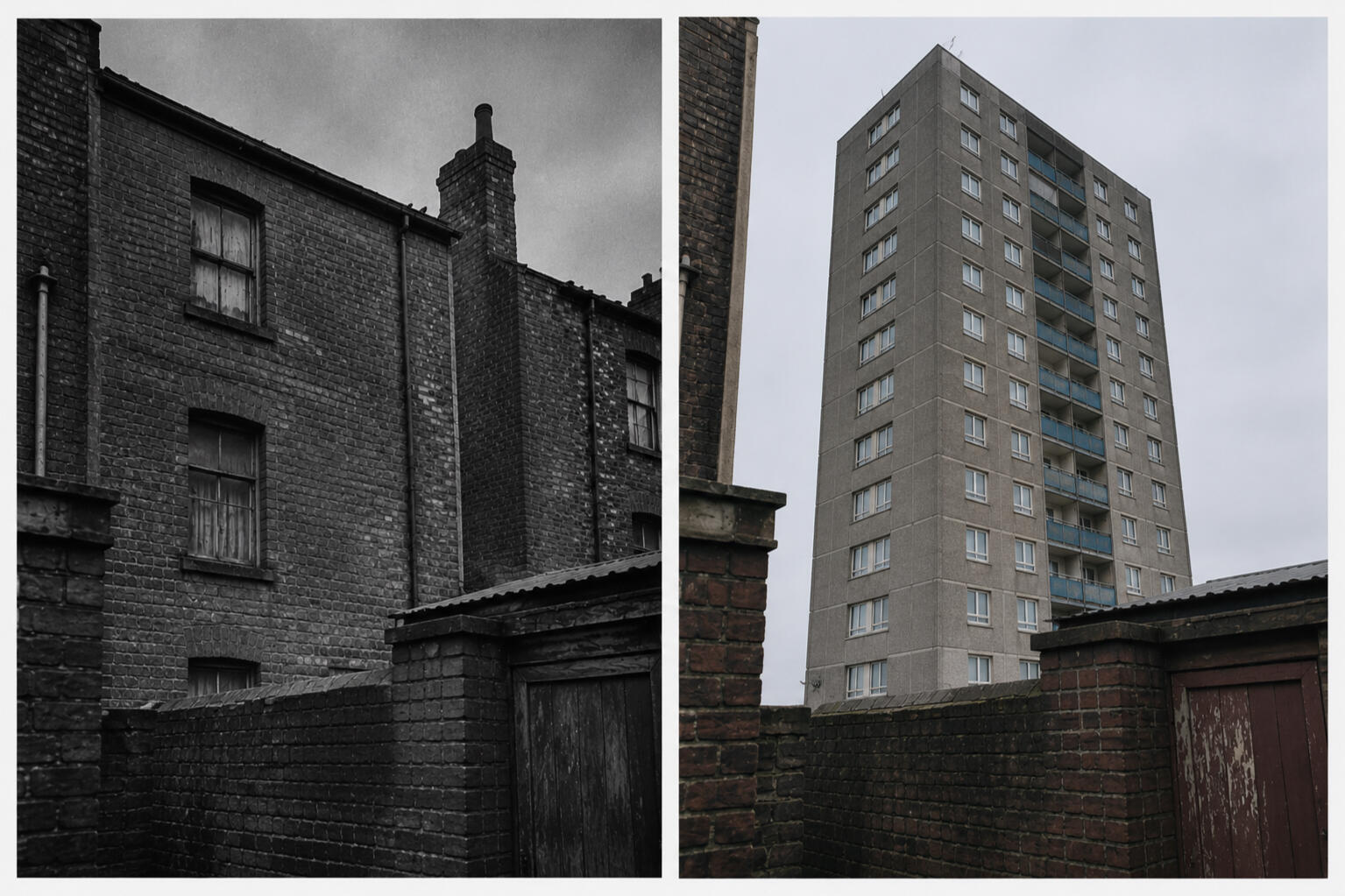
Then & NowThe world captured in The Rooftops would not survive for long.During the late 1960s and 1970s, widespread slum clearance reshaped towns and cities across the North.Rows of Victorian terraces gave way to tower blocks, maisonettes and new housing estates as thousands of families were relocated.While many welcomed homes with indoor bathrooms, central heating and improved facilities, the move often marked the end of long-established communities whose shared lives had evolved over generations.
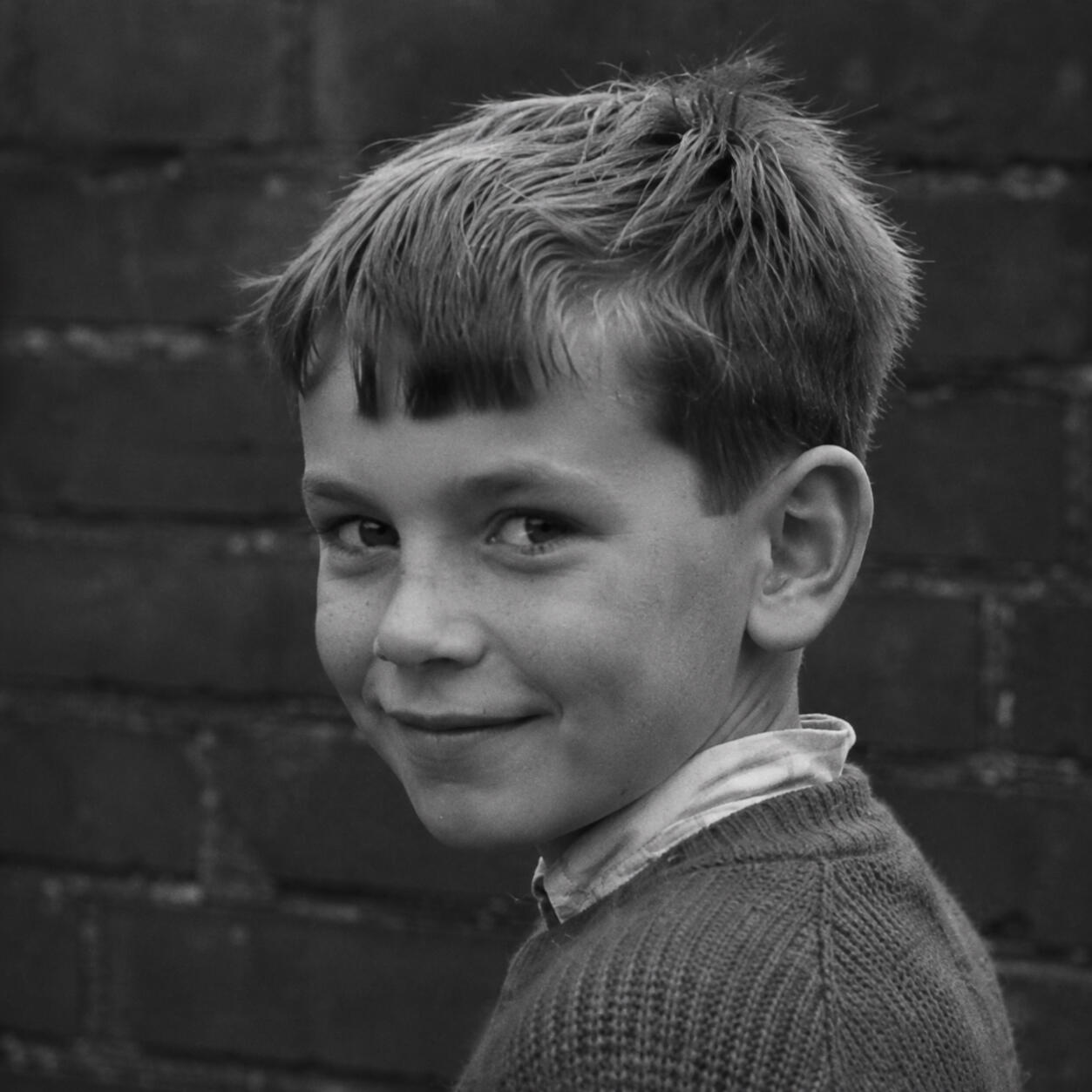
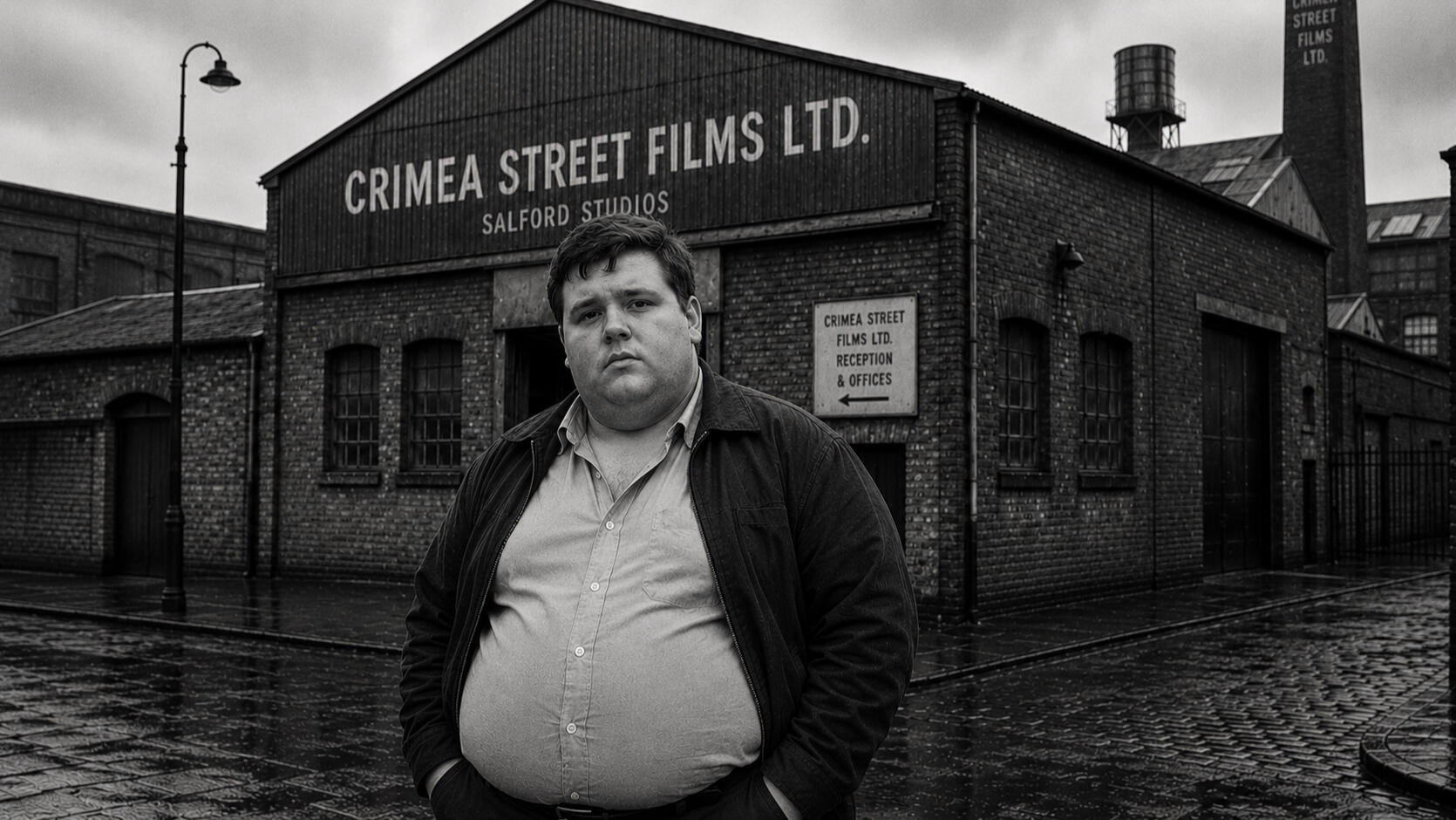
Michael Naylor (1953– )Michael Naylor was born in 1953 and grew up in one of the terraced streets where much of The Rooftops was filmed. Like many local children, he became a familiar face during production, spending hours watching the cast and crew at work after school and during the summer holidays. His curiosity and willingness to help with small jobs around the set eventually led to a brief, uncredited appearance in the finished film.Later that same year, Michael reached the final stages of auditions for the new Milky Bar Kid television advertisements but ultimately lost the role to Terry Brooks. As a consolation, the unsuccessful finalists each received a year's supply of Milky Bar chocolate, a prize Michael reportedly shared with friends and neighbours.In 1963, aged ten, Michael was admitted to hospital suffering from diabetic ketoacidosis and was subsequently diagnosed with Type 1 diabetes. The illness effectively ended any realistic prospect of regular child acting, although he occasionally appeared as an uncredited background extra whenever filming took place nearby.Leaving school at sixteen, Naylor worked for many years as a warehouse clerk before later joining a local builders' merchant, where colleagues remember him as dependable, quietly humorous and rarely without a packet of glucose tablets in his pocket.Away from work he developed a lifelong interest in railway modelling and is an enthusiastic supporter of Lancashire cricket.Although his association with Crimea Street Films amounted to little more than a handful of fleeting appearances, Michael is quietly proud of his connection with the studio.When the Friends of Crimea Street Films was established in 1973, Michael became one of its earliest members and he remains one of the few surviving people with first-hand memories of the studio's location filming.
Contemporary ReceptionUpon its release in 1961, The Rooftops received a polite but largely indifferent response from critics. While many reviewers acknowledged its authentic performances and convincing portrayal of everyday life, several questioned whether the film's loosely connected stories offered enough dramatic substance to sustain its running time.The Manchester Evening Chronicle concluded:
"Carefully observed and honestly performed, though one occasionally wishes something rather more would happen."Picturegoer was similarly restrained:
"Crimea Street Films continue their fascination with ordinary northern life. Admirably sincere, if not especially memorable."The Yorkshire Evening News offered one of the warmer notices, commenting that:
"Its greatest strength lies in recognising that ordinary streets contain lives worth watching, even when little of consequence occurs."Commercially, The Rooftops performed modestly in independent northern cinemas before disappearing from circulation. Like much of Crimea Street Films' output, it found a small appreciative audience but failed to attract wider public attention, becoming another quietly regarded production in the studio's growing catalogue.
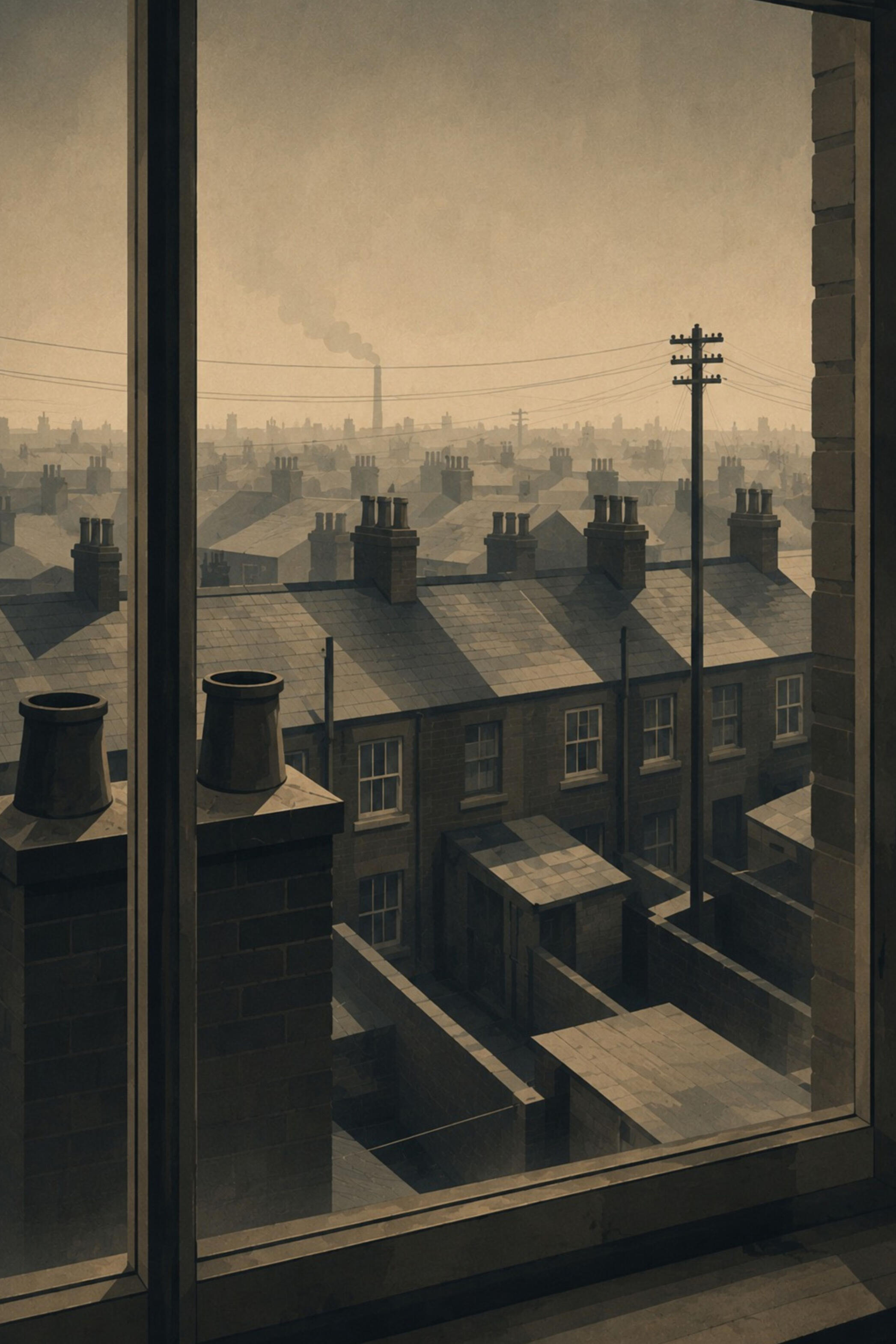
The Rooftops (Northern Deco)Olive James approached The Rooftops by reducing its dense maze of terraces and chimney pots to a series of strong geometric forms, replacing the film's overcast realism with warm ochres, muted browns and long architectural shadows.The familiar skyline remains instantly recognisable, but the harsher details of soot, weather and ageing brickwork give way to a quieter, more ordered composition.Rather than recreating a specific scene from the film, James sought to preserve the feeling of looking out across an apparently endless sea of rooftops, where repeating chimney stacks, telegraph poles and receding terraces become almost abstract patterns.The result is a work that transforms an ordinary northern view into a study of rhythm, perspective and light, while retaining the quiet atmosphere that defined the original production.
From the ArchiveAlthough the finished film appears to have been shot during unsettled weather, production records suggest otherwise.Peter Colne occasionally delayed filming until cloud cover returned, believing overcast skies better suited the restrained mood he wanted for the production.